Cart
0
You may also like
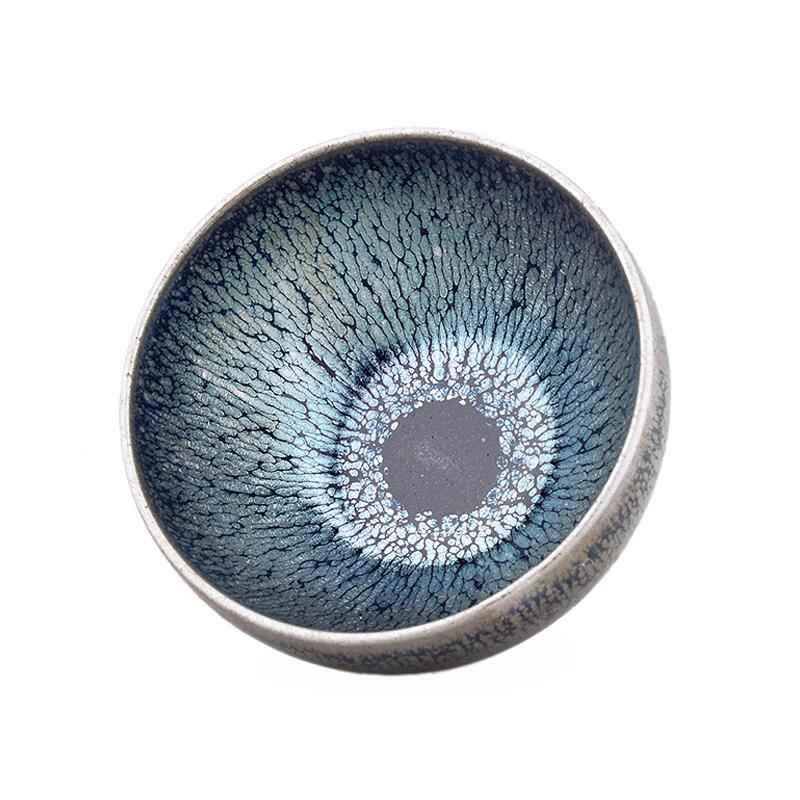
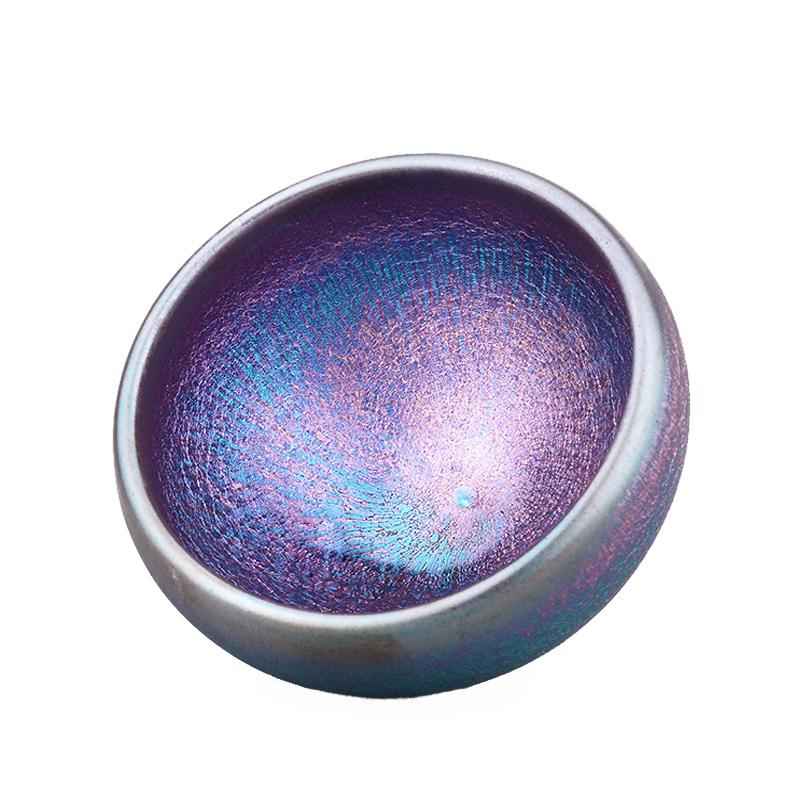
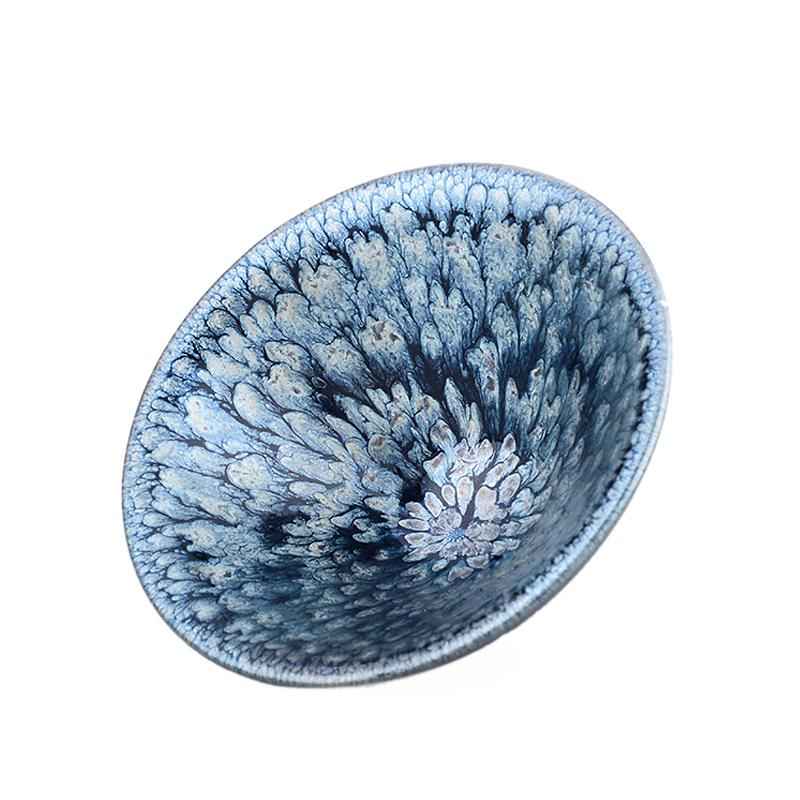
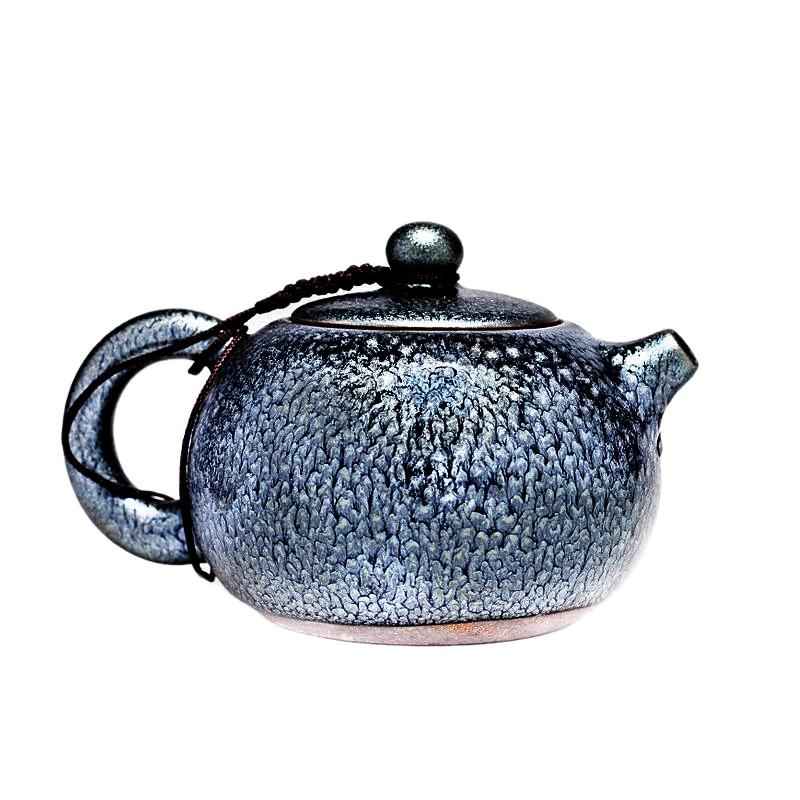
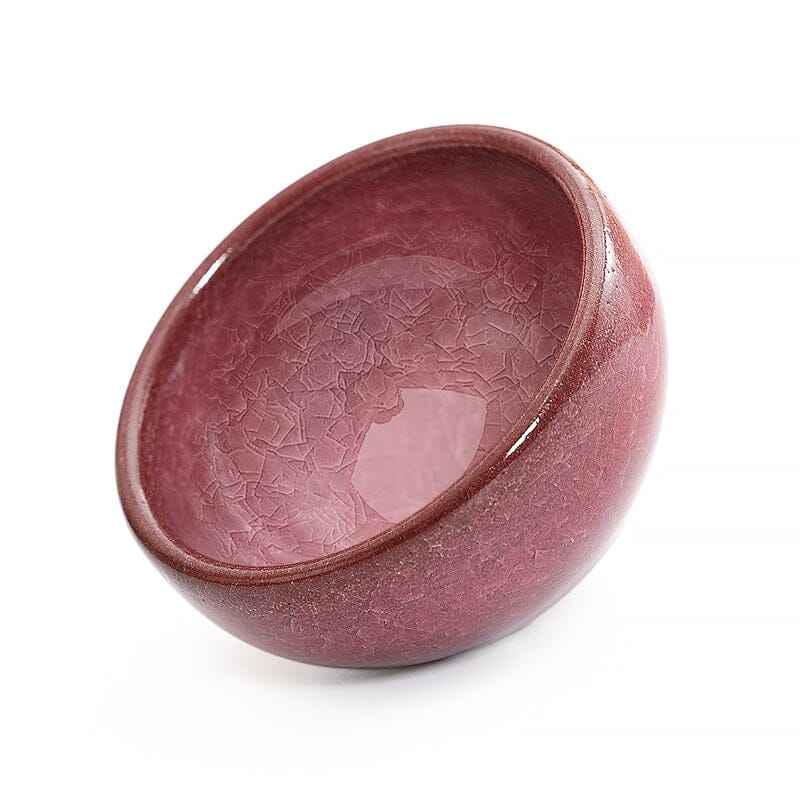
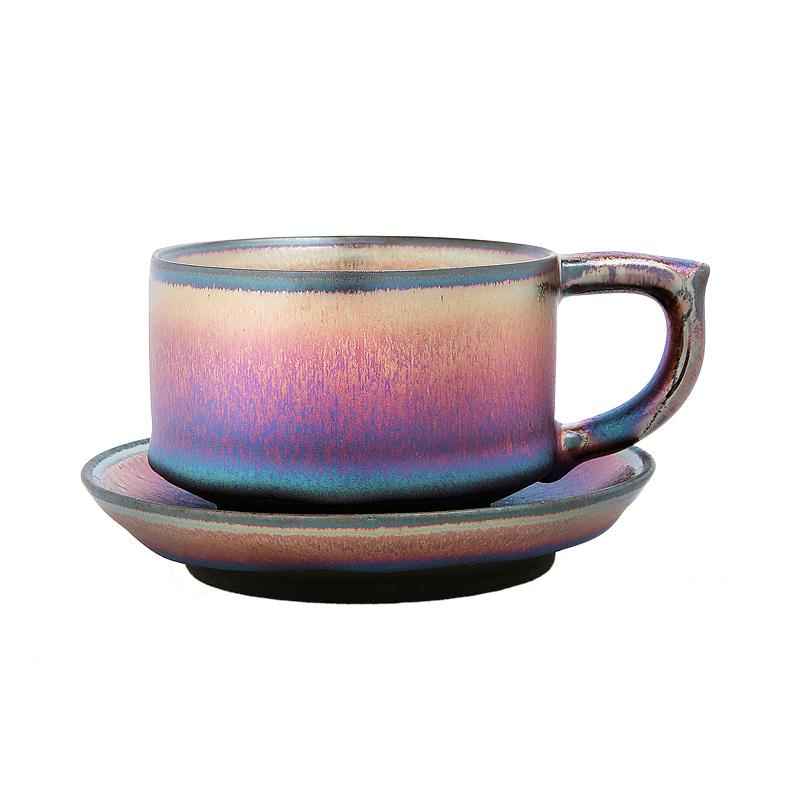
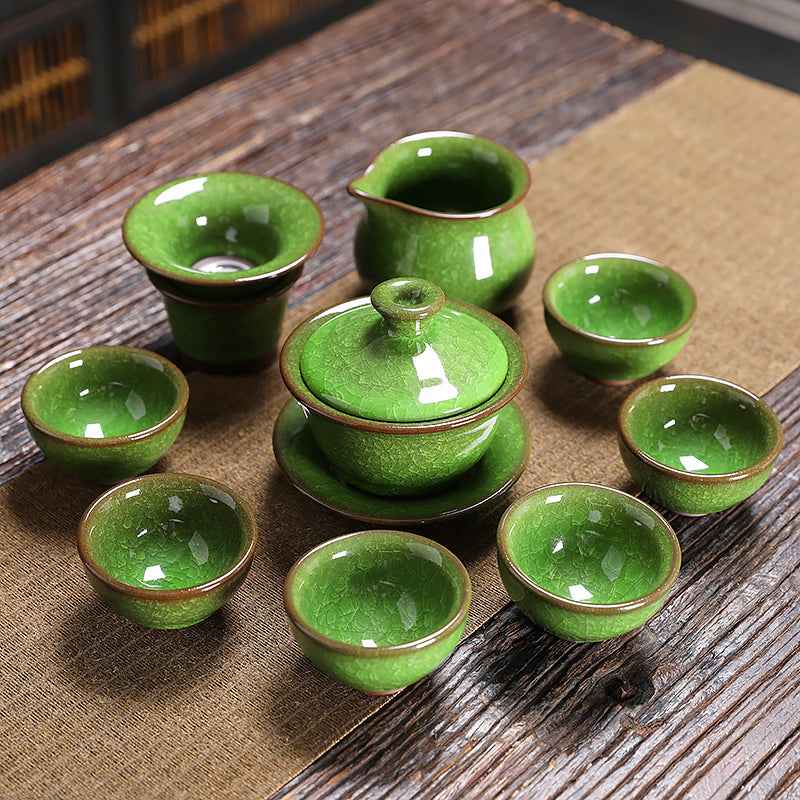
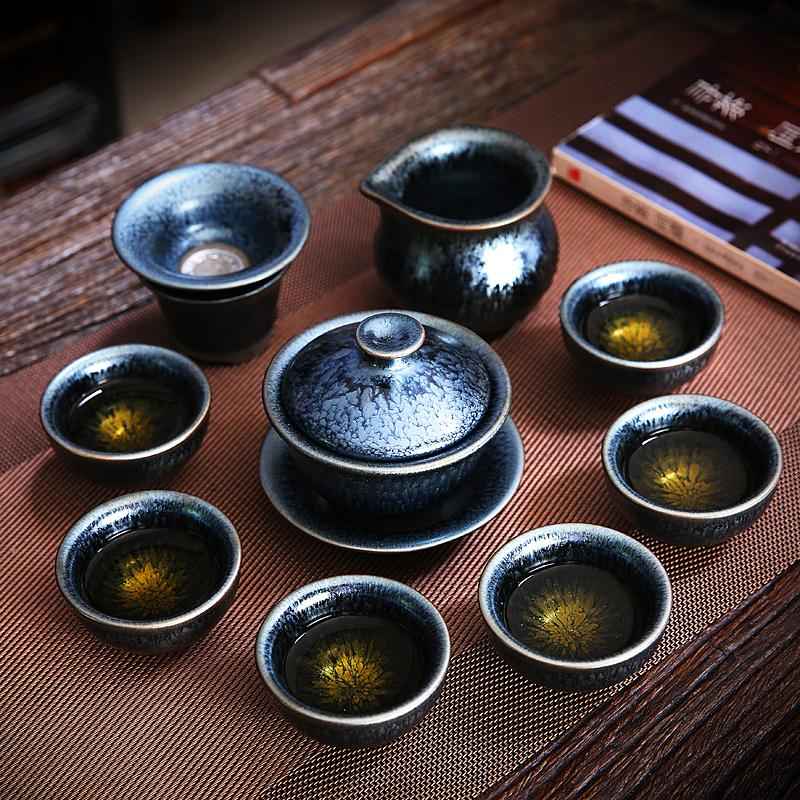


In the world of fine ceramics, the mesmerizing beauty of Tenmoku glaze stands out remarkably. If you're an aficionado of tea culture or a passionate collector of ceramic art, exploring the intricate allure of a handmade Tenmoku porcelain tea cup can be a truly enriching experience. Let's delve into the traditional glaze art that has fascinated enthusiasts and connoisseurs for centuries.
Tenmoku glaze is renowned for its captivating finishes that revisit the grandeur of Song dynasty tea ware style. The Chinese Jian-style glaze varieties, such as hare's fur glaze, partridge feather glaze, and oil spot pottery, create a unique aesthetic, each telling a story of its own. The kiln transformation glaze adds a mystical element, where heat and time collaborate to form unpredictable, but stunning surface patterns.
Crafted with an iron-rich glaze, every Yakiobi finish tea cup carries a piece of history and artistry, transforming a simple tea-drinking ritual into a voyage through time. Whether as part of a tea brewing set or simply a cherished item in your collection, these pieces elevate the experience of tea tasting.
Understanding the historical significance behind the Tenmoku glaze enriches your appreciation of each sip. The Song dynasty, a golden era for ceramic innovation, perfected techniques that have shaped the art of making tea ware. Their influence can be seen in today's ceramic tea jars, tea dust glaze, and obsidian glaze variations that continue to capture the spirit of the past in a modern tea brewing set.
The Tenmoku tea bowl with an iron-spot glaze not only serves as a functional piece but is also a work of art worthy of display. This blend of historical appeal and contemporary craftsmanship makes each experience with a Tenmoku glazed porcelain tea cup a reminder of the beauty found in simplicity and tradition.

Owning a piece of this rich heritage calls for mindful care. To preserve the exquisite glaze and ensure longevity, it is recommended to hand wash the porcelain tea cup. Avoid using harsh detergents that might damage the finish, and instead, rinse it with warm water after each use and allow it to air dry, maintaining its lustrous shine.
For those who embrace both tea and coffee culture, a hand-painted Succulent Coffee Cup provides a perfect crossover. It serves as not merely a vessel for your favorite brew but as a piece of art, enhancing the joy of every sip with its Jian Zhan Tenmoku glaze, echoing the same traditional techniques.
Today, Tenmoku glaze serves a burgeoning community of both new and seasoned collectors. It appeals to the zen tea accessories lover searching for authenticity in their tea tasting set or the ceramic art gift enthusiast. The versatility extends to everyday items like the handmade coffee cup, adding a touch of artistry to any morning routine.
Explore more about these fascinating techniques and their applications in modern ceramics through insightful articles like Tenmoku Glaze Teacup & Ceramic Tea Jar – Song Dynasty Elegance and immerse yourself in a world where every piece tells a richly-storied history.
Whether you're a tea lover, a coffee drinker, or a passionate home cook, the timeless allure of Tenmoku glaze can enrich your daily rituals. These handcrafted masterpieces aren't merely about aesthetics—they symbolize a cultural journey through time, embodying a deep connection to Chinese ceramic heritage.
As you explore the diverse world of ceramic craftsmanship, consider these art pieces not just as belongings but as companions in your daily life. To learn more about our range of Tenmoku glazed creations and our dedication to preserving this traditional art, visit our website.
Embark on your own ceramic journey today, and discover how the ancient traditions of the past still hold a special place in our modern world.